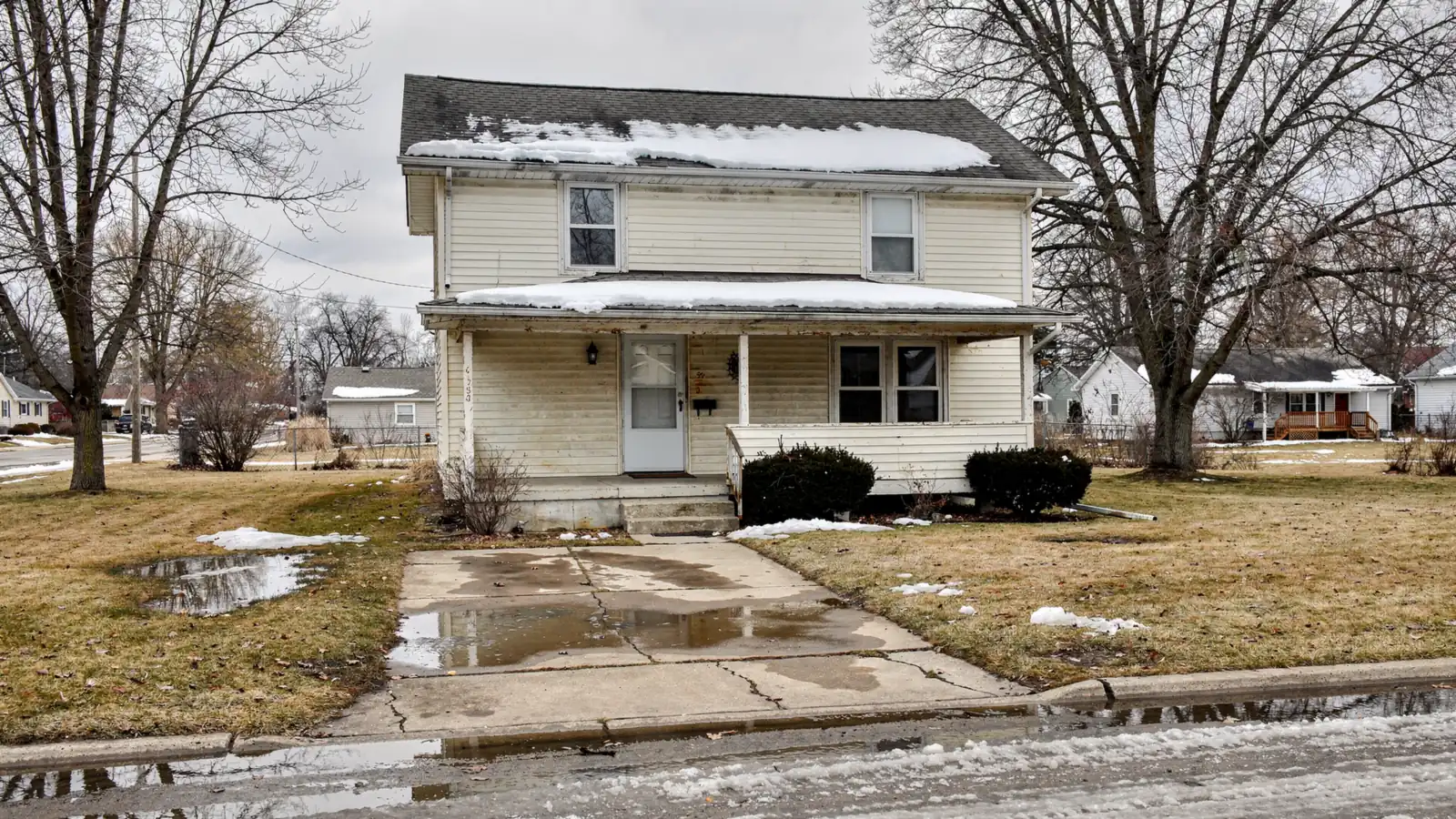
Your basement is wet because of where the valley sits
The Saginaw lowlands hold a seasonal water table within a foot or two of the grass for most of the winter and spring. That is the thing almost every wet basement here has in common, and it changes what actually works.
Call (989) 812-2645 Send the details
- Saginaw, Bay and Midland counties
- Michigan licence class checked before you hire
- Calls recorded
Most advice about wet basements was written for somewhere else. It tells you to clean the gutters, slope the soil away from the house and check the downspouts, and in a lot of the country that is genuinely the whole problem. In the Saginaw valley it is usually the smaller half of the problem, because the water is not coming down the wall. It is coming up under the floor.
The water table is the story
The land here is an old lake plain, and the soil surveys say so plainly. The Zilwaukee series, whose type location is in Saginaw County, is poorly drained, runs 35 to 60 percent clay, and carries a seasonal high water table "at or just below the surface between October and June in normal years". The Tappan series over in Bay County holds a perched table that sits anywhere from six inches above the ground to ten inches below it between December and April. The Frankenmuth series, named for the town and mapped about eight miles northeast of the city, sits one to two feet down from November through May.
Put a basement floor seven feet below grade in ground like that and for six to eight months a year the floor is simply below the water. Clay makes it worse in both directions: it drains slowly when you want it to drain, and it swells and shrinks with the seasons against whatever wall you have.
That is why the fix in this valley is almost always about giving the water a managed route out from underneath, rather than about keeping it away from the outside of the wall. The four jobs below are the practical versions of that.
Two cities, twenty miles apart, opposite rules
This is the part that catches people out, including people who have lived here for years.
The City of Saginaw's sewer ordinance says that stormwater must not go into a public sanitary sewer, and then makes one exception in the same sentence: a footing drain tile that keeps roof and surface drainage out of it "may be connected to so discharge its flow". That is a 1958 provision and it is still in the current codification.
Twenty miles up the Tittabawassee, the City of Midland runs a Footing Drain Disconnection Program whose entire purpose is to undo exactly that arrangement, taking clean water out of the sanitary system and sending it to the storm sewer instead. It is open to homes built before 1988 that have no sump pump yet, and some properties have already been identified as mandatory.
So the same pipe, doing the same thing, is expressly permitted in one city and actively being bought out in another. Anybody who quotes you a job without knowing which side of that line your house is on is guessing. The town pages set out what applies where.
Saginaw's downspouts were supposed to be off the sewer in 2002
The other half of the Saginaw ordinance is less widely known. Connecting eaves troughs and roof downspouts to the treatment works is unlawful in the combined sewer areas, and the compliance deadline for residential property was 26 September 2002. In the separated sewer areas it is a flat prohibition. The penalty schedule for the chapter starts at not less than 1,000 dollars per day.
Plenty of houses in the older parts of the city still have a downspout going into the ground and nobody is quite sure where it ends up. If yours does, that is worth establishing before you spend money on a drainage system, because it changes what the system has to cope with.
Before you sign anything
Michigan is unusually helpful here and hardly anybody uses it. The state licence for a residential maintenance and alteration contractor is issued in named crafts, and the statutory list includes "waterproofing a basement" and "excavation" as separate entries. So the licence is not a general badge. It should name the work you are buying.
If the contractor is not licensed, two things follow that are worth knowing before the conversation rather than after: they cannot bring an action in a Michigan court to collect payment from you, and they cannot place a lien on your property. There is a short page on how to check, including the state lookup and the number to ring.
What it costs, honestly
Nobody publishes real Saginaw pricing, and this site is not going to invent it. What exists is trade pricing from Michigan and national sources, which agree closely on some items and diverge on others. The cost page gives both sets side by side and says which is which, so you can see the spread rather than a single confident number somebody made up.
If you would rather just describe what you are seeing, the number at the top of the page reaches an independent waterproofing company that works in this area. There is more about how this site works and who runs it.
The rules change at the city line
Also covering Essexville, Freeland and Tittabawassee Township, Bridgeport, Thomas Township, Carrollton, Buena Vista, St. Charles and Auburn.
What a valley basement actually looks like when it goes wrong
Three things worth being able to name before somebody is standing in your basement telling you what they cost.
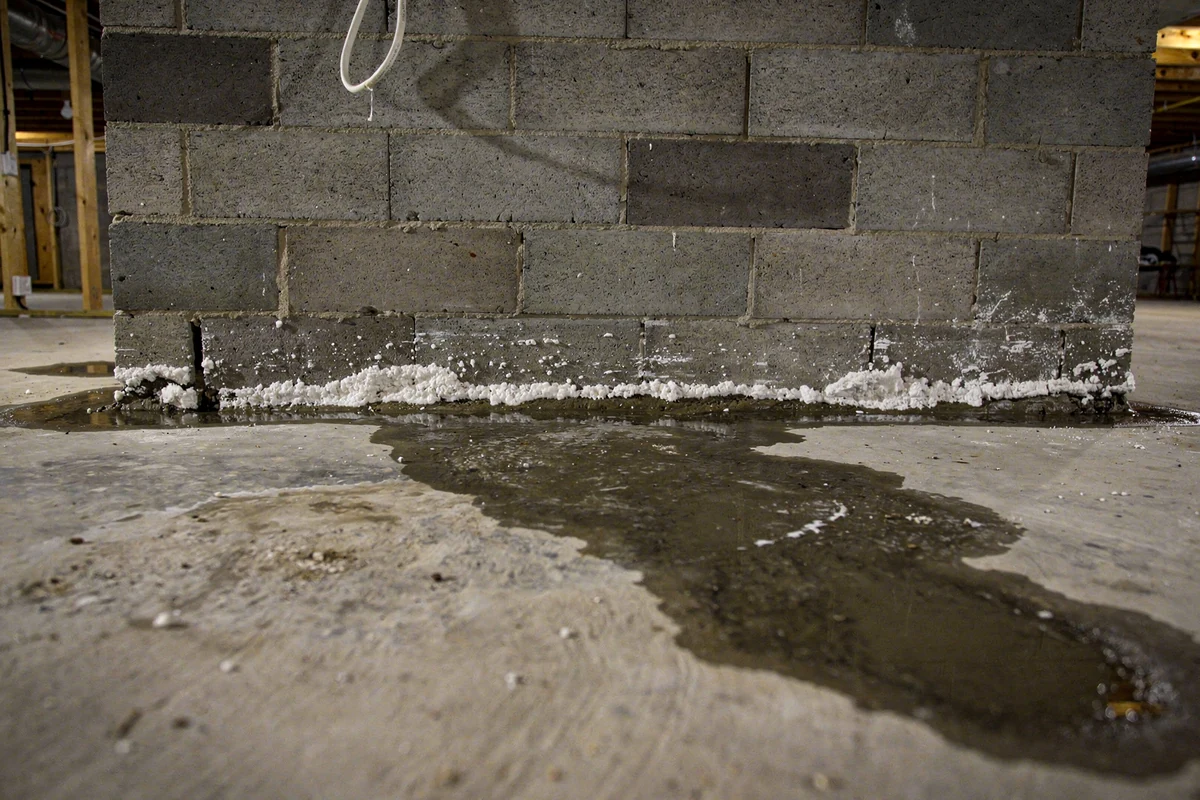
Seepage at the floor to wall joint, with efflorescence above it. Water arriving from underneath rather than running down the wall, which is the valley pattern. 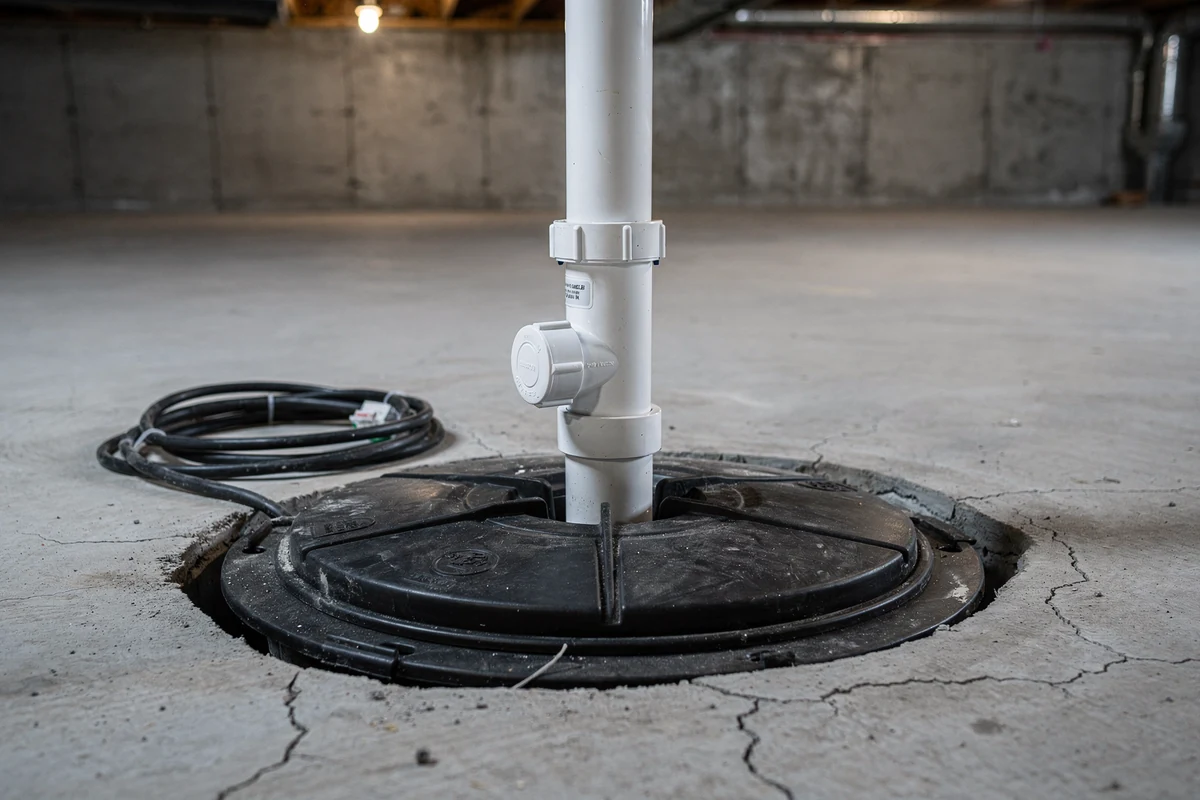
A sealed pit with a check valve on the discharge. The seal keeps humidity and radon down, and the valve stops the lifted water falling back and doubling the wear. 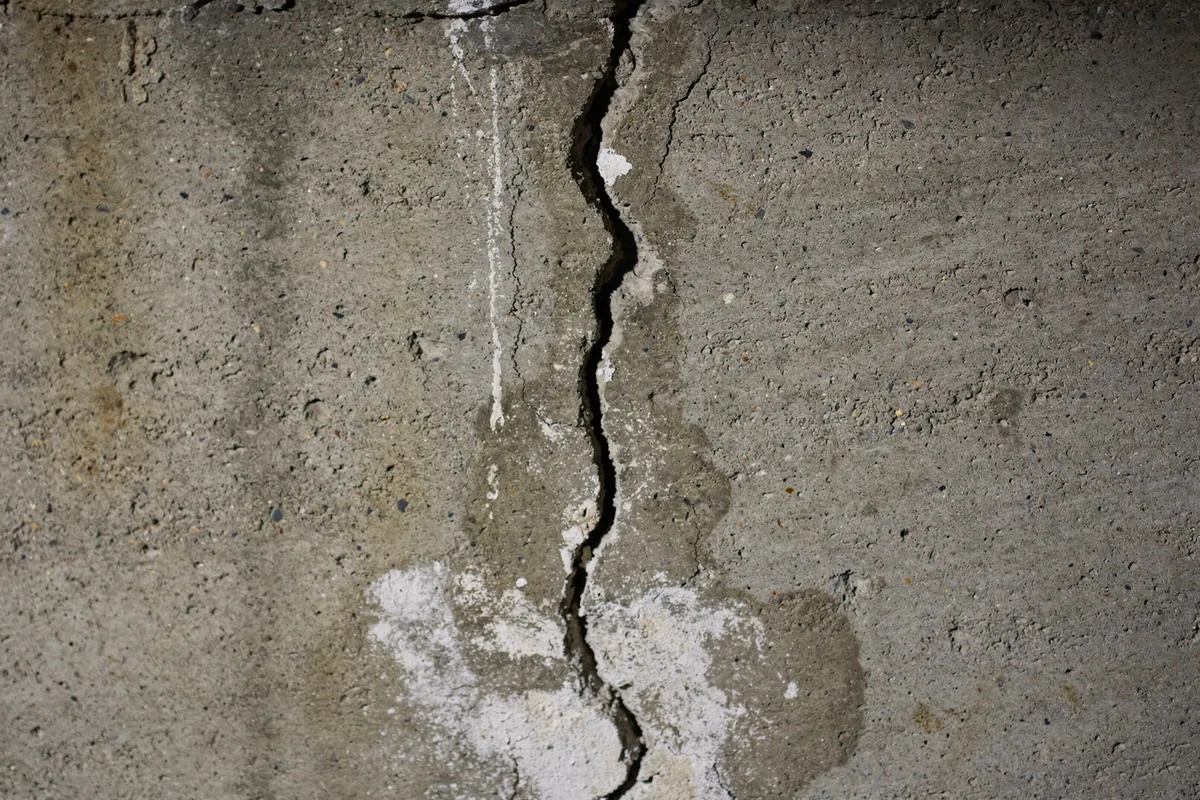
A vertical crack in a poured wall. Orientation is what matters: vertical is usually shrinkage and settlement, horizontal is the wall being pushed.
The four jobs this comes down to
- Exterior excavationDigging the wall down to the footing and sealing it from outside.
- Crack repairInjection for a leaking poured wall, and how to spot the cracks that mean more.
- Interior drain tileA channel around the inside footing, feeding a pit and a pump.
- Sump pumpsThe pump, the backup, and the discharge rule that changes by city.
What people in the valley ask first
- Is my sump pump allowed to drain into the sanitary sewer?
- Your sump pump discharge is not the same thing as your footing drain, and the answer depends on which city you are in. Michigan EGLE's guidance for residents is that sump water should go to the ground where it can soak in, or to a storm sewer with the permission of whoever runs it. The City of Saginaw separately allows a footing drain to discharge to the sanitary sewer as long as roof and surface water are kept out of it. Midland runs a programme that pays to disconnect those same footing drains. Check your own municipality before anybody cuts a pipe.
- Does basement waterproofing need a licensed contractor in Michigan?
- Yes, over 600 dollars. Michigan lists waterproofing a basement and excavation as separate crafts on a residential maintenance and alteration licence, so the licence a contractor holds should actually name the work being sold. An unlicensed contractor cannot sue you for payment and cannot put a lien on your house.
- How deep do footings have to be here?
- Forty two inches below actual grade, everywhere in Michigan. The state writes one number into its residential code rather than a county by county frost map, which is why national advice about looking up your local frost line does not apply in this state.
- Interior drain tile or digging the outside wall up?
- Interior work is the usual answer in this valley because the water is arriving from underneath rather than running down the wall, and because it does not care what the weather is doing. Exterior excavation is the answer when the wall itself is failing or the original damp proofing is gone. The cost gap is large and is set out on the costs page.
Describe the water and get a call back
Tell us what you are seeing and where. One independent company that works your township picks it up.
Who picks up when you ring
The research on this site is written and published here, and that is the whole of what happens at this address. Ring the number at the top, or send the form, and it reaches one independent waterproofing company working Saginaw, Bay or Midland county. Your details do not go out to a panel of contractors to bid against each other, nobody from this site will turn up at your door, and Marketing Doctor LLC runs the site.