Zilwaukee, the village that named the clay
When the national soil survey needs a name for heavy, wet, slow draining valley clay, it uses this one. That tells you most of what you need to know.
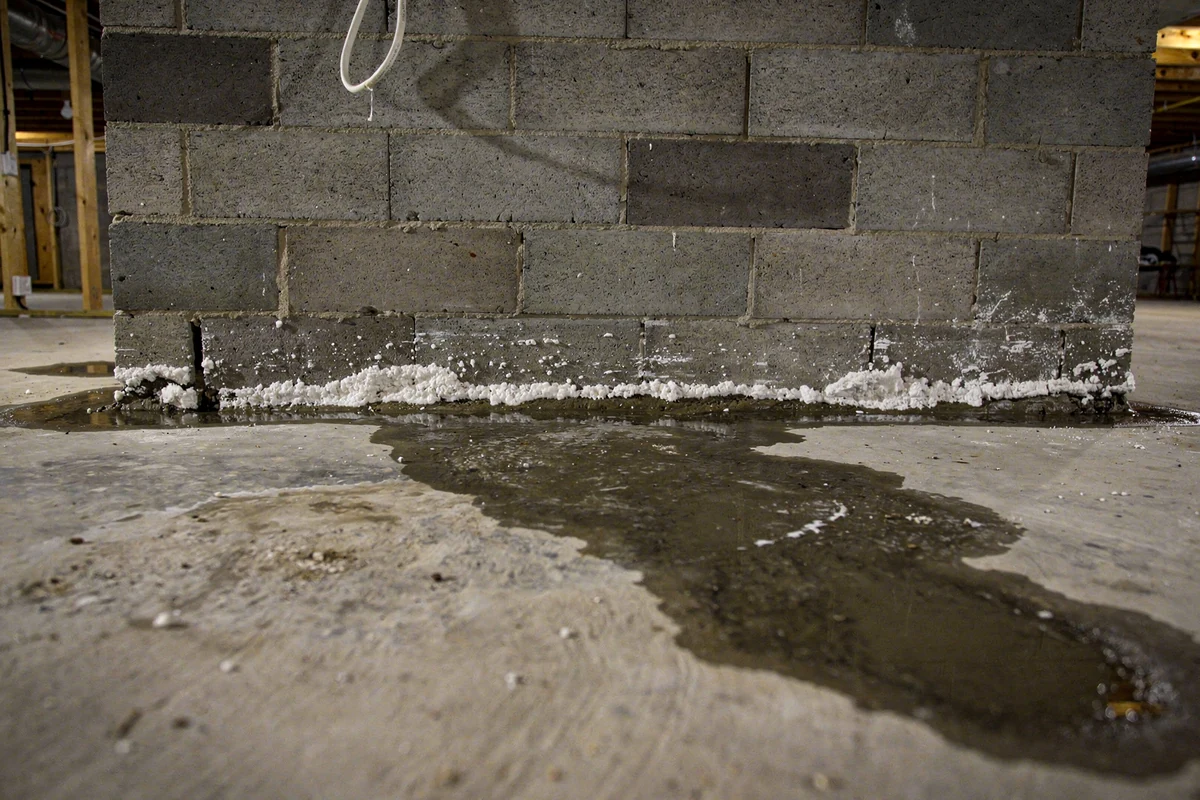
There is a particular kind of authority in having a soil named after your town, and it is not the flattering kind. The United States Department of Agriculture's official series description for Zilwaukee is, in effect, the technical statement of why basements here are difficult.
What the description actually says
Zilwaukee is classified as a fine, mixed, semiactive, calcareous, mesic Fluvaquentic Endoaquoll. Translated into things a homeowner can use:
The drainage class is poorly drained. The particle size control section averages 35 to 60 percent clay. Saturated hydraulic conductivity is moderately low and permeability is slow. The parent material is clayey alluvium over clayey glaciolacustrine deposits, which is to say river clay laid down over old lake bed clay. The landform is floodplains on lake plains, with slopes of nought to two percent. It is naturally flooded from late autumn through spring.
And the line that matters most: the seasonal high water table sits at or just below the surface between October and June in normal years.
The type location for the series is in Saginaw County, in James Township. Together with the related Misteguay silty clays it covers something like 20,000 acres of the county.
Reading that as a basement problem
Take the water table statement literally. At or just below the surface, eight months of the year, in a normal year. A basement floor sits perhaps seven feet down. For most of the heating season and all of spring, that floor is not near the water table. It is well beneath it.
The consequence is hydrostatic pressure under the slab and against the lower wall as a standing condition rather than an event. It is not a storm response. Houses on this ground often report water appearing with no rain at all, which mystifies people who have been told to check their gutters, and which makes complete sense once you have read the soil description.
Slow permeability then means that whatever does arrive leaves slowly, so the pressure persists. And the clay percentage means seasonal swelling and shrinking against the wall, which is the mechanism behind a good proportion of the vertical cracking seen in poured walls around here.
What actually works on this ground
Managed drainage and a pump that can keep up, which in practice means interior drain tile feeding a properly sized pit, and serious thought about what happens when the power goes off during a spring storm, which is covered on the sump pump page.
Coatings applied to the inside face of a wall are a poor bet on this ground specifically, because they are on the wrong side of a pressure that is present for most of the year rather than occasionally.
Exterior excavation is physically harder and more expensive here than almost anywhere else in the region, because heavy wet clay is slow to move, slow to dry and awkward to backfill properly. That does not rule it out where the wall itself needs attention, but it does mean the price gap over interior work is wider here than the general ranges on the cost page suggest.
The flooding question is separate
The series description says the ground is naturally flooded late autumn through spring, and the village sits close to the river, with 6,060 square miles of watershed draining past the city just upstream.
That makes it worth establishing whether a given property is in a mapped flood hazard area, because Michigan's residential code requires the lowest floor, including basements, to sit at least a foot above the design flood elevation in such areas. A basement that takes water because the river is high is not a drainage contract. It is a different problem with different and less satisfying answers, and it is worth knowing which one you have before you buy anything.
Questions people ask
- Is a dry basement realistic here?
- Manageable is the honest word. On ground whose official description says the water table sits at or just below the surface for eight months of the year, a basement floor is below the water table for most of that time. The work is about giving that water a controlled route out, with a pump that can keep up, rather than about sealing it out. Anybody promising to seal a basement dry on this ground without a pump is selling something.
- Why does clay make it worse rather than better?
- Two reasons. It drains slowly, so water that arrives stays, and pressure against the wall and under the slab persists rather than dissipating after rain. And it changes volume with moisture, swelling wet and shrinking dry, which cycles the load on a foundation wall through the year. At 35 to 60 percent clay the Zilwaukee series does both firmly.
- Who handles permits for a Zilwaukee address?
- The city hall on Tittabawassee, on (989) 755-0931, is the starting point. At the time of writing no building official or permit contact was published on the city's contact page, and no counter hours were listed, so a call is the only reliable route. Addresses nearby can fall under different jurisdictions, so confirm which applies to your parcel before assuming.
Where these numbers come from
- Zilwaukee series, drainage, clay content, water table and flooding (USDA NRCS Official Series Description, checked 24 September 2026)
- City Hall address and telephone (City of Zilwaukee, checked 24 September 2026)
- Saginaw River at Saginaw, drainage area 6,060 square miles (USGS 04157000, checked 24 September 2026)
- Lowest floor including basements above design flood elevation, R 408.30521 (Michigan LARA, Administrative Code, checked 24 September 2026)
Last checked 24 September 2026.