Midland, where the city is buying footing drains out
The only municipality in the region running an active programme to take clean water out of the sanitary system, and it has reasons.
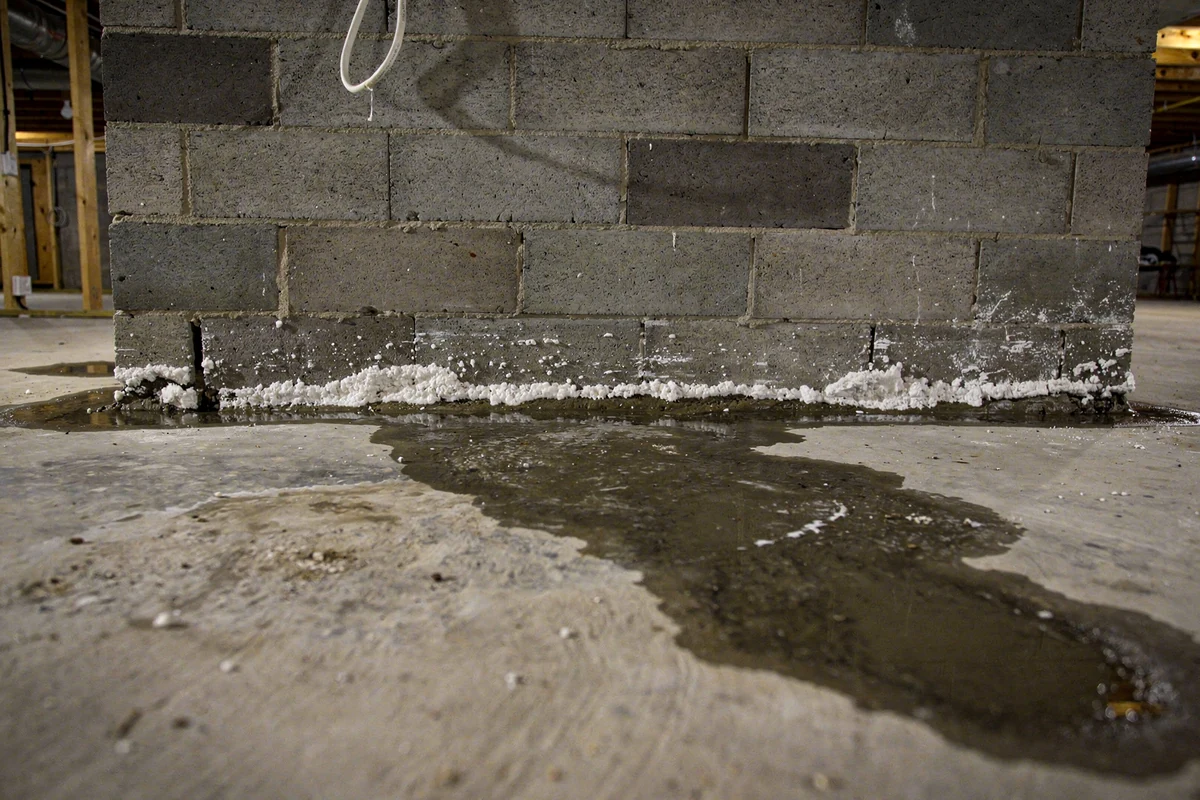
Midland has spent the last several years doing something about basement water at the level of the whole city rather than the individual house, and any conversation about a basement here sits inside that.
What the programme is
The Footing Drain Disconnection Program exists, in the city's own description, to remove clean water from the sanitary sewer system by removing the existing connection between a home's footing drains and the sanitary sewer, and redirecting that water to the storm sewer system.
The eligibility conditions are specific: the home was built before 1988, its footing drains are connected to the sanitary sewer, there is no sump pump already installed, and the owner will let city staff and contractors in to survey the site. It is not compulsory citywide, although some properties have been identified for participation, and the city has been adding roughly one further disconnection per quarter while funding allows.
It is administered from the Water Reclamation Facility on Austin Street.
Why a city would pay to do this
Two dates explain the whole thing.
On 22 and 23 June 2017 the Tittabawassee reached its second highest recorded crest. The city's own account records surface flooding, flash flooding and basement sewer backups affecting thousands of residents. Not seepage, not damp: sewage coming back up into basements across the city at once, which is what happens when clean water has filled the sanitary system and there is nowhere for anything else to go.
On 19 May 2020, after days of rain, the Edenville and Sanford dams failed, Sanford overtopping perhaps two to three hours after Edenville. Around ten thousand residents were evacuated. The river reached what the city calls an historic level of 34.88 feet, five sanitary sewer pump stations were overwhelmed, and service was restored within 72 hours. Damages across the event exceeded 200 million dollars. The engineering finding on Edenville was static liquefaction of loose sandy soils in the embankment, triggered as the lake rose about three feet above its previous high.
Between the two, a 2017 sanitary and storm sewer study presented to the city council in September 2018 recommended more than 30.5 million dollars of sanitary improvements, and identified footing drain disconnection as a solution particularly in the Whitewood and Moorland pumping districts. Funding followed, including a temporary half mill increase directed in January 2020.
What this means for your basement
Three practical points.
First, work out which kind of water you have. Water rising from a floor drain during a heavy rain is sewer surcharge. Water seeping at the floor to wall joint through a wet spring is groundwater. Water arriving because the river is over its banks is neither, and no drainage contractor can sell you a fix for it. The sump pump page covers the distinction in more detail.
Second, if you are in one of the named districts and your house predates 1988 with no sump, registering interest in the programme is worth doing before you commission private work, because the private work may duplicate it or may make you ineligible for it.
Third, permits. Work in the public street right of way, expressly including sewer connections, needs an Engineering Department permit on 989-837-3348, with fees set under the city code. That is separate from the building permit for the work itself.
The honest caveat
The city says plainly that homes in or adjacent to the 100 year floodplain will experience some level of basement flooding whatever is done to the sewers. Michigan's residential code assumes as much: the state amendment on flood hazard areas requires the lowest floor, including basements, to sit at least a foot above the design flood elevation.
For a house in that position the realistic conversation is about limiting damage and recovery time rather than about a dry basement, and a contractor who promises otherwise is not being straight with you. If you are unsure whether you are in that position, the FEMA map service centre will search by address, and what a job costs is worth reading before committing either way.
Questions people ask
- Is disconnection compulsory for me?
- Not citywide. The city describes the programme as not mandatory, while saying that some properties have already been identified for participation, and other homeowners can register interest. Pace is roughly one additional disconnection per quarter each year while funding lasts, so this is a slow programme rather than a sweep.
- What if my house already has a sump pump?
- Then you fall outside the stated eligibility, which lists homes with footing drains connected to the sanitary sewer and no sump pump already installed. The programme exists to create that arrangement where it does not exist, so a house that already pumps to the storm side is already where the city wants it.
- Will disconnection stop my basement flooding?
- The city is unusually frank on this and it is worth quoting: homes located within or adjacent to the 100 year floodplain will experience some level of basement flooding regardless of the improvements. Disconnection is about sewer capacity across the system, not a guarantee for one house. If your water is riverine rather than sewer surcharge, it is a different problem again.
Where these numbers come from
- Footing Drain Disconnection Program, purpose and eligibility (City of Midland, checked 24 September 2026)
- 2017 and 2020 flood record, sewer study and the floodplain statement (City of Midland flood response, checked 24 September 2026)
- Right of way and sewer connection permits (City of Midland, Permits, checked 24 September 2026)
- Tittabawassee River at Midland, drainage area and record (USGS 04156000, checked 24 September 2026)
- Edenville and Sanford dam failures, cause and damages (Association of State Dam Safety Officials case study, checked 24 September 2026)
Last checked 24 September 2026.